
Our
Products
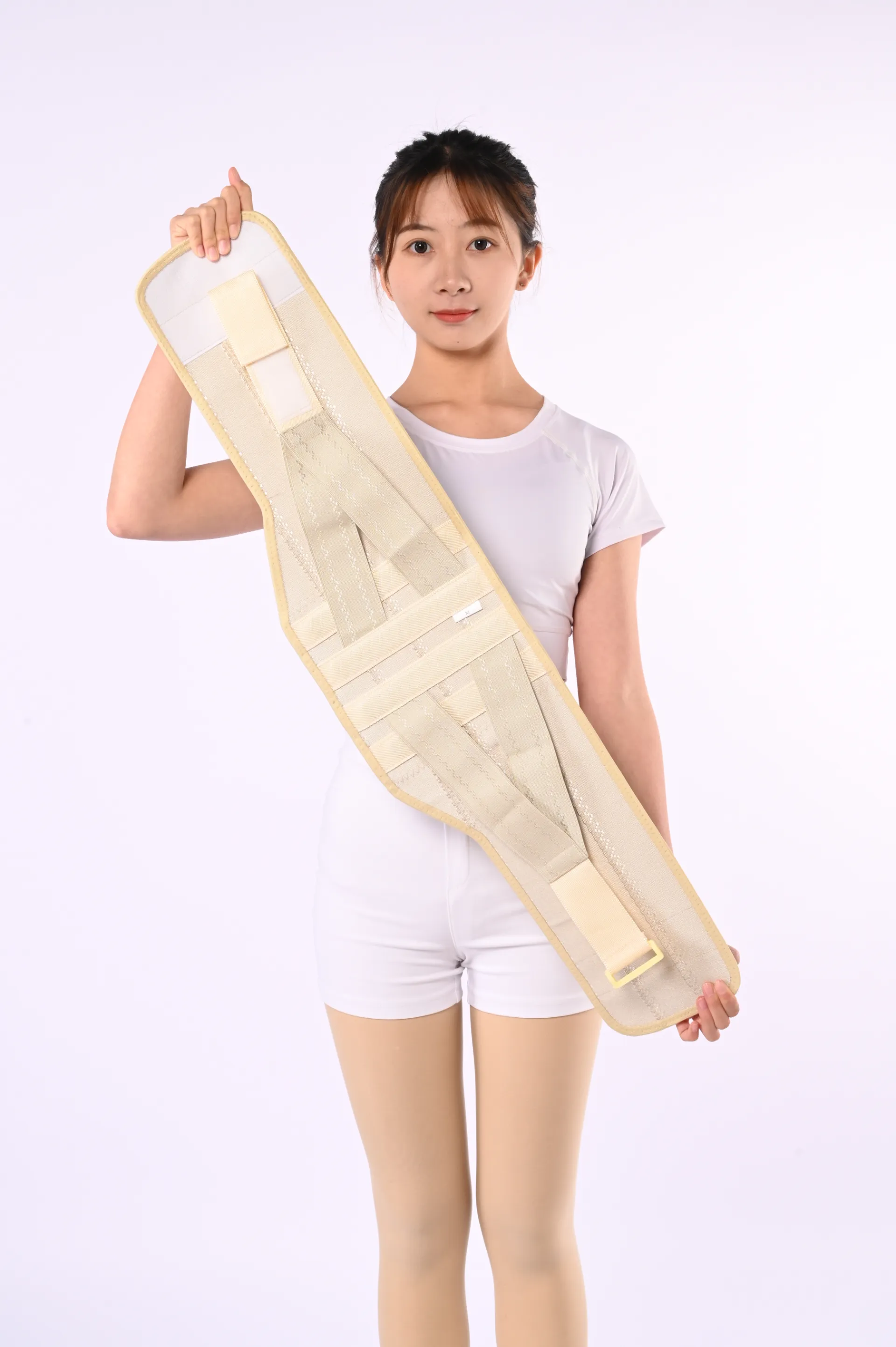
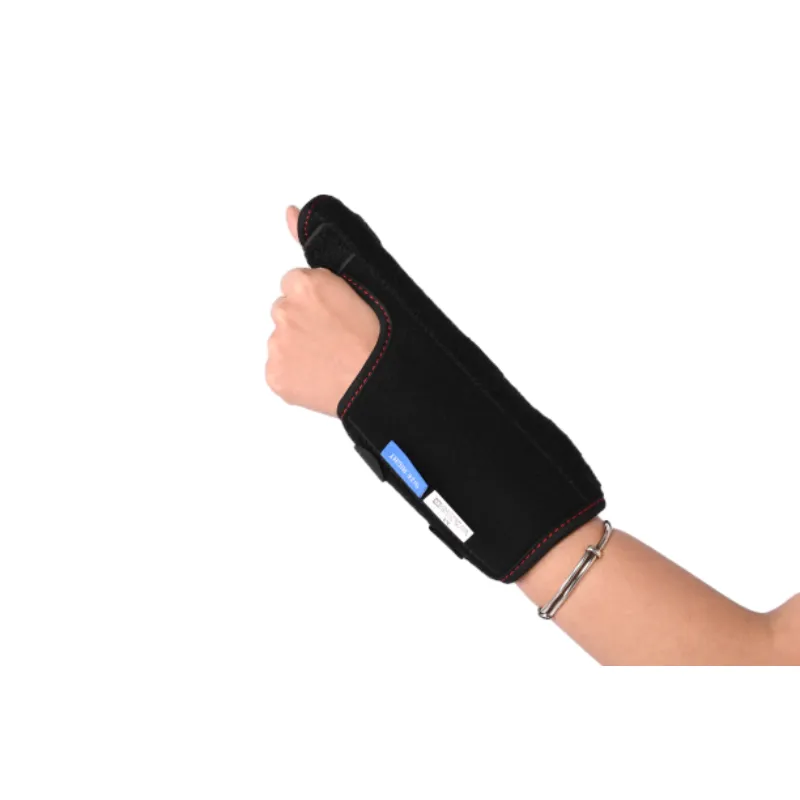
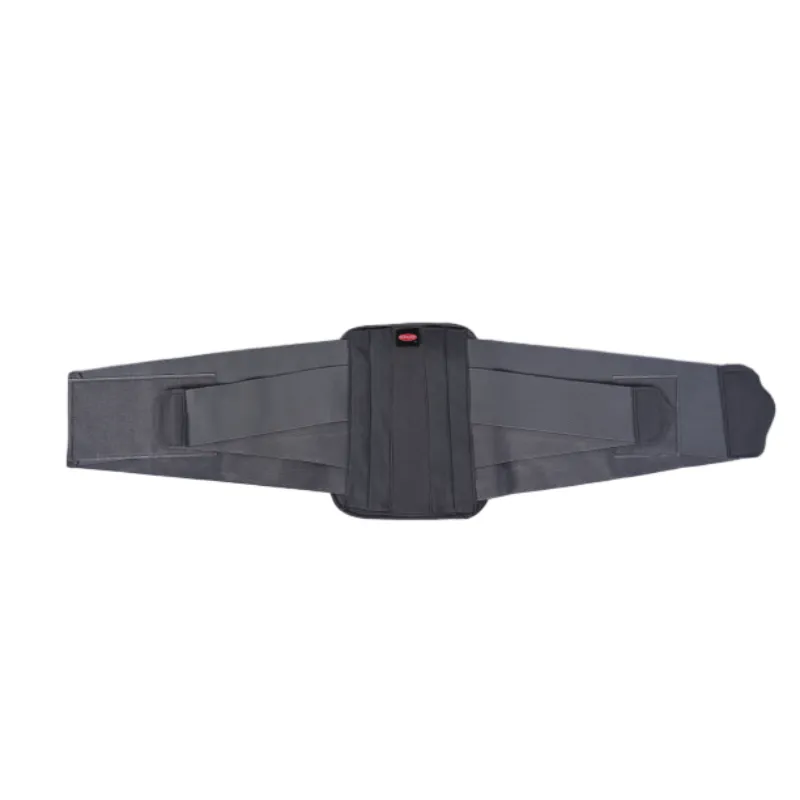
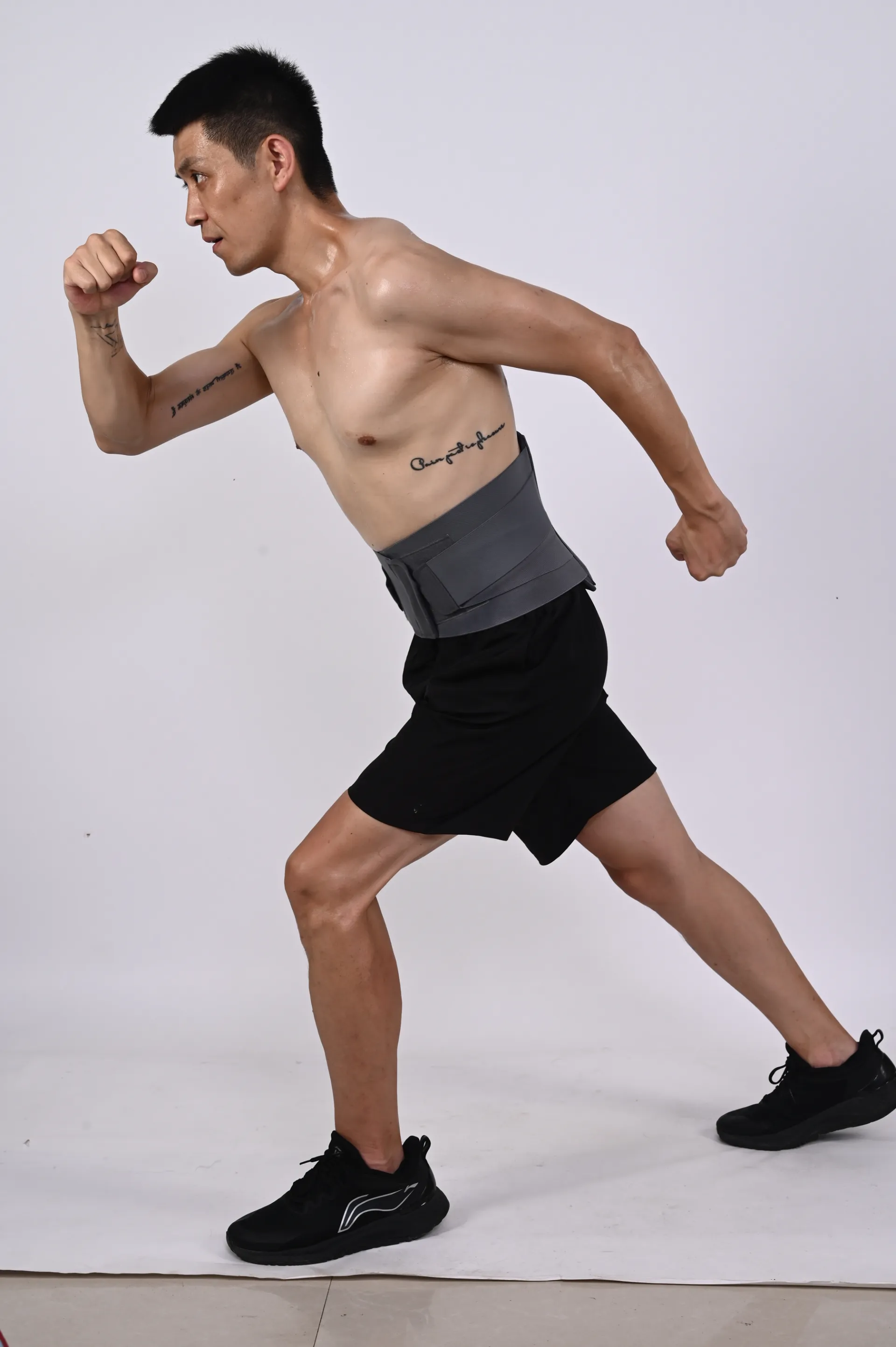
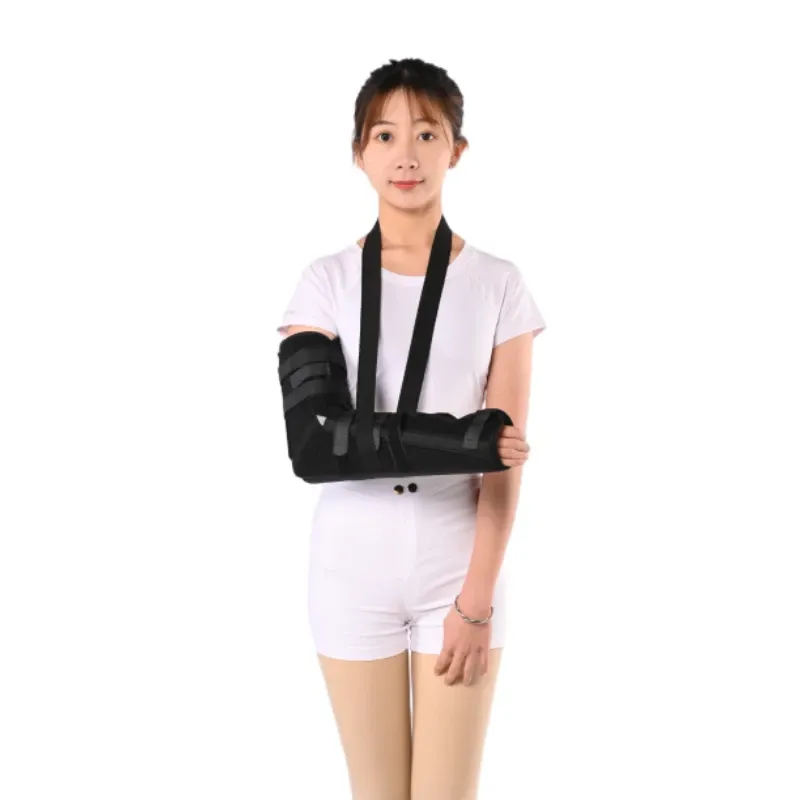

arm sling pink
Arm Pouch Review: What a Pro Looks for in an Arm Sling If you’re hunting for an arm sling for wrist injury , here’s the inside scoop from the clinic floor and the procurement desk. I’ve watched slings go from scratchy, one-size-fits-none contraptions to breathable, adjustable kits that actually hold position. The Arm Pouch from JH Orthopedic (HQ: No.240 Xingying West Street, Anping County, Hebei Province, China) is one of those quiet, competent products that keeps showing up in hospital carts—and for good reason. What’s changing in the sling world Trends are practical: breathable meshes over bulk fabrics, soft-edge bindings to reduce neck rub, and longer, micro-adjustable straps to fit more body types. Hospitals want traceability (lot codes, ISO 13485), while sports clinics push for quick-dry liners and easy cleaning. To be honest, it’s not flashy tech—but it matters when you’re stabilizing a sprained wrist or post-op shoulder for hours. Arm Pouch: key specifications Parameter Spec (≈ real-world) Product Name Arm Pouch (adjustable sling) Materials Breathable polyester mesh, cotton liner, nylon webbing, hook-and-loop fastener Strap Adjustability ≈ 35–120 cm with quick-length buckle Support Range Forearm/wrist stabilization, shoulder unloading up to ≈ 4–6 kg load Sizes S, M, L (guideline by forearm length); custom logos/sizes available Care Hand/machine wash cold; air dry Service Life Typical 3–12 months depending on use; hospital rotation may be shorter Compliance Manufacturing under ISO 13485; materials evaluated to ISO 10993 guidance (supplier declaration) Process and testing (why it feels stable) Materials: low-irritation mesh + soft cotton touchpoints to reduce neck/axilla abrasion. Cutting & stitching: bar-tack reinforcements at strap junctions; double-needle seams on pouch edges. Test methods: textile tensile per ASTM D5034 (grab test); colorfastness per ISO 105-C06; dimensional checks after 5 wash cycles; biocompatibility screening to ISO 10993-1 principles (non-implant, skin contact). QC: strap slippage test (≈ 500 adjustment cycles), hook-and-loop endurance (≈ 3,000 cycles, real-world varies). Where it’s used Wrist sprains, distal radius fractures (post-cast), tendonitis flares, and post-op days when the arm needs unloading. Clinics, sports medicine, workplace first aid, even travel—you don’t want the arm dangling on a turbulent flight. Many customers say the breathable pouch makes summer commutes bearable. Advantages that stood out Fast, one-hand micro-adjustments (nice when pain spikes). Neck comfort: padded strap edge reduces pressure hot-spots. Consistent wrist-to-elbow angle—critical for arm sling for wrist injury immobilization. Vendor comparison (purchasing view) Vendor Certs Lead Time Customization Notes JH Orthopedic (Arm Pouch) ISO 13485; CE marking available ≈ 15–30 days Logo, size runs, packaging Balanced price vs. clinical spec Vendor X (Generic Importer) Basic compliance ≈ 7–20 days Limited Usually cheaper; variable QC Vendor Y (Sports Brand) ISO 9001; retail-focused ≈ 30–45 days Colors/retail packs Premium price; strong branding Customization and ordering Private labeling, bilingual IFUs, even pediatric sizing are on the menu. For hospital bids, ask for lot traceability and materials declarations. For e-commerce, the photo-ready mesh and neat bindings help—yes, this matters. Mini case studies Regional hospital: switched to Arm Pouch after neck-rub complaints. Return rate dropped ≈ 18% quarter-over-quarter, per buyer notes. Sports rehab chain: paired the sling with wrist-cast protocols; reported better adherence during commute hours—small change, big patient satisfaction. User notes and care Fit so the elbow sits deep in the pouch; wrist slightly elevated—textbook positioning for a arm sling for wrist injury . Keep the strap centered on the neck pad; wash weekly; check hook-and-loop for lint. And follow clinician advice—seriously, it matters. Citations American Academy of Orthopaedic Surgeons (AAOS). Wrist Sprains. https://orthoinfo.aaos.org/en/diseases--conditions/wrist-sprains/ NICE Guideline NG38. Fractures (non-complex): assessment and management. https://www.nice.org.uk/guidance/ng38 ISO 10993-1: Biological evaluation of medical devices — Part 1. https://www.iso.org/standard/68936.html ASTM D5034: Standard Test Method for Breaking Strength and Elongation of Textile Fabrics (Grab Test). https://www.astm.org/d5034
Why Choose Us



Read
Our
Blog

No.240 Xingying West Street,Anping County,Hebei Province,China


Have a question? Keep in touch.


Copyright © 2025 Hebei
Jianhang
Technology
Co.,Ltd.
All Rights Reserved. Privacy Policy


